Sungrow • Inverters & Batteries • Australia

Sungrow inverters & batteries — Australia’s most popular platform (instant pricing)

Sungrow is one of the most commonly installed inverter brands in Australia, with a broad range of CEC-listed models and a strong local support presence. If you want a “safe default” with scale, parts availability, and a clear pathway into batteries, Sungrow is usually on the shortlist.

Jousto’s pathway is simple: Instant Quote for speed, then a Design Session when export limits, roof constraints, battery pathway, or backup planning needs to be right the first time.

  • Mass-market reliability: widely deployed platform with long-term service expectations.
  • Australia-ready: common across the country with local support footprint.
  • Battery ecosystem: Sungrow hybrid + storage options (model dependent) with LFP-based batteries common in residential.
  • CEC-listed models: commonly used for rebate-eligible installs (model/state program dependent).
  • Jousto EMS options: monitoring, alerts and automation readiness after install.
1 Explore 2 Quote 3 Design
View Products Read the Sungrow Guide SBH vs SBR

Prefer to talk? SMS/Call 0489 261 333[email protected]

Get pricing or design help
Opens full screen (best on mobile). No forms until you choose.
Instant Quote
Fast package options and pricing.
Design Session
Export limits, battery pathway, backup planning.
Prefer to talk? SMS/Call 0489 261 333[email protected]
Sungrow inverter and battery — Jousto Australia

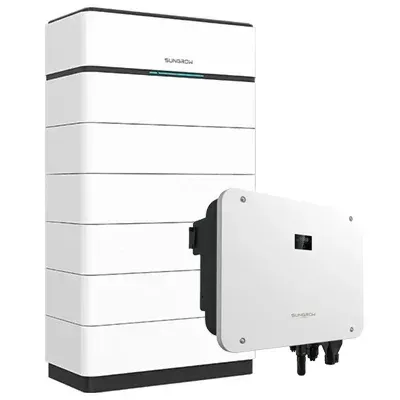
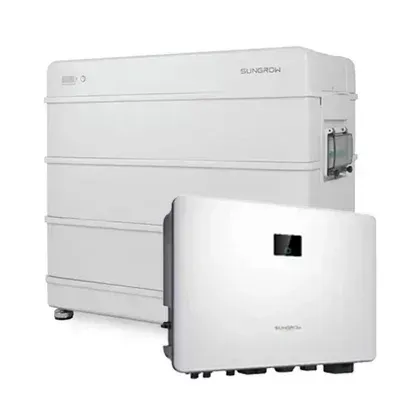
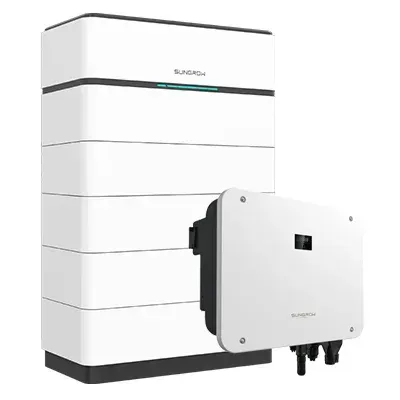
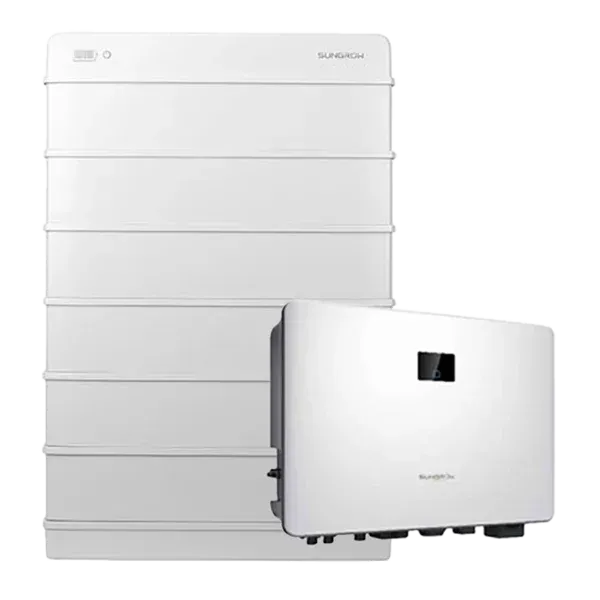
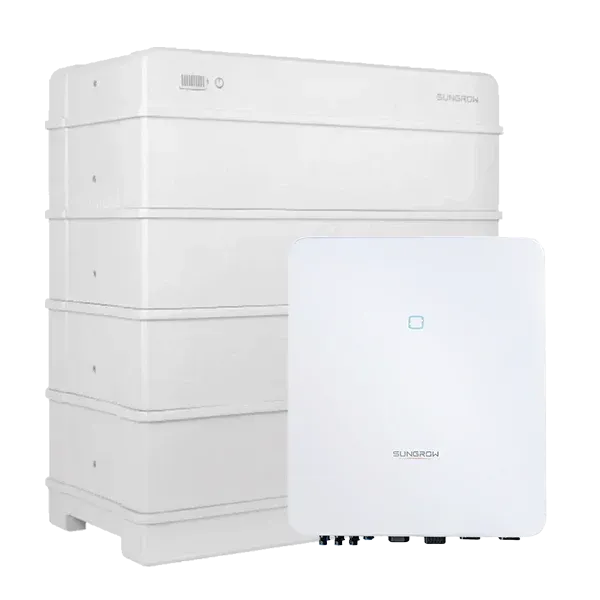
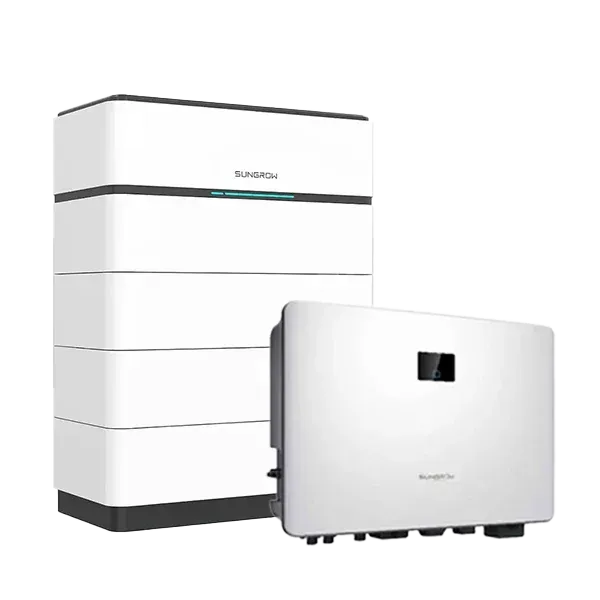
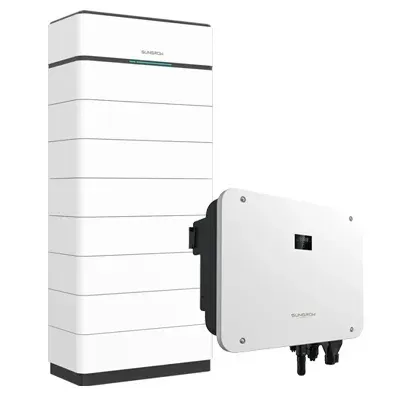
Top Sungrow battery bundles & packages

Showing Sungrow-compatible options in Jousto Explore (sorted by lowest price first). Prices and availability vary by configuration and location.
Browse all
If products don’t render above, browse Sungrow options here: Jousto Explore Search.

Sungrow in Australia: buying guide for inverters, hybrids & batteries

If you’re Googling “Sungrow inverter”, “Sungrow hybrid inverter”, or “Sungrow battery” in Australia, you’re probably trying to answer one of these: (1) Is Sungrow reliable long-term? (2) Which battery series should I choose (SBR vs SBH)? (3) Can it do backup? (4) Will it play nicely with export limits? The short version: Sungrow is popular because it is a broad, well-supported platform — but the outcome still depends on correct design, correct pairing, and correct commissioning.

Why it’s popular

Scale matters: widespread deployment tends to improve parts availability, installer familiarity, and predictable service pathways.

Where people get it wrong

Oversizing without a plan for export limits, choosing the wrong battery ecosystem, or assuming “backup” is automatic.

What Jousto optimises

A practical pathway: instant pricing first, then a design check for roof/export/battery/backup so the system performs in the real world.

Who Sungrow is best for
  • Mainstream households who want a widely supported platform with strong installer familiarity.
  • Battery-minded buyers who want a clear upgrade path into storage (now or later).
  • Export-limited suburbs where design and control matters as much as inverter brand.
  • Backup-curious households who want to explore essential loads (subject to model + switchboard design).

Sungrow string vs Sungrow hybrid: which one do you need?

A string inverter is typically “solar first”. A hybrid inverter is designed for battery integration and more advanced energy flows (exact capability depends on the model and system design). If batteries or backup are even a “maybe”, your safest move is to confirm the pathway in a design session.

String inverter (solar-first)
  • Often simplest pathway for solar-only installs.
  • Battery later may be possible via AC-coupled options (design dependent).
  • Best when payback speed is priority and storage is truly “later”.
Hybrid inverter (battery pathway)
  • Designed for direct battery integration (model dependent).
  • Cleaner control pathway: self-consumption, charge/discharge strategy, export limiting.
  • Backup requires a correctly designed essential loads solution (not automatic).

Sungrow SBH vs SBR batteries: what’s the difference?

People commonly search “SBH vs SBR Sungrow” because they want to know whether one series replaces the other, whether one is “obsolete”, and what it means for warranty and future expansion. Here’s the practical way to think about it: the “best” battery is the one that matches your inverter series, your capacity goals, your installation constraints, and your upgrade plan. Model availability also changes over time in Australia, so you design to what is currently supplied and supported.

SBR (common residential HV)
  • Well-known Sungrow residential battery series in Australia.
  • Typically used for “normal” household storage sizing and expansion planning.
  • Often searched with questions like “Is SBR obsolete?” because of newer series naming — but “obsolete” is about support + supply, not internet rumours.
SBH (newer/alternate series)
  • Another Sungrow battery series seen in newer documentation/markets.
  • Chosen when it matches the inverter ecosystem and supply chain for your install.
  • The right answer depends on your specific hybrid inverter model and what is currently supported in Australia.
Are SBR batteries obsolete?
“Obsolete” usually means one of three things: (1) no longer sold new through normal channels, (2) limited availability of expansion modules, or (3) support and warranty pathways become unclear. In practice, if SBR is still being supplied and supported for your inverter series in Australia, it’s not “obsolete” — it’s simply a mature product line. Jousto confirms current availability, supported pairings, and warranty alignment before anything is ordered.
Not sure which battery series you’re looking at?
We’ll confirm which battery ecosystem matches your inverter model and your future expansion plan.

Australia-specific constraints that change the best Sungrow setup

In Australia, the inverter brand is only part of the outcome. The best-performing systems are designed around: export limits, load shape (day vs night usage), tariff structure, roof geometry, shading, switchboard constraints, and your battery/backup goals.

Export limits & negative pricing risk
Many homes are capped by DNSP export rules. Oversizing without a plan can create “wasted generation”. A good design prioritises self-consumption and sensible controls (where compatible) to reduce value leakage.
Backup power: essential loads
Backup is a system design decision: hybrid model capability, essential loads circuit plan, switchboard work, and correct commissioning. We confirm feasibility in the design session.

Sungrow vs other inverter brands (quick guidance)

If you’re comparing Sungrow to other popular inverter brands in Australia, Sungrow often wins when you want a mainstream platform with strong availability and installer familiarity. Still, the “best” solution depends on the exact hybrid features you need, your battery ecosystem preference, and the level of control required for export limits and tariffs. Compare like-for-like (same system size, same battery goal, same constraints).

Want pricing now — or the right design first?
Use Instant Quote for speed. Use Design Session when SBH vs SBR, export limits, roof constraints, or backup planning matters.
Products

Sungrow in Australia: detailed FAQs

Are Sungrow inverters reliable in Australia?
Sungrow is widely installed in Australia and commonly selected as a “mainstream reliable” platform. Reliability in practice depends on correct sizing, correct string design, ventilation/placement, and commissioning. A design session is most valuable when your roof layout or export limits create constraints.
Are Sungrow products rebate-eligible (CEC approved)?
Many Sungrow inverters and batteries have CEC-listed/approved models and are commonly used in rebate-eligible installations. Eligibility depends on the specific model and your state program rules at the time of install.
What’s the difference between a Sungrow string inverter and a Sungrow hybrid inverter?
String inverters are typically solar-first. Hybrid inverters are designed for batteries and more advanced energy control. If you expect to add a battery soon, hybrid is often the cleaner pathway. If battery is “maybe later”, the best choice depends on cost, compatibility, and your upgrade plan.
SBH vs SBR: which Sungrow battery should I choose?
Choose the series that matches your hybrid inverter model and what is currently supplied and supported in Australia. The wrong pairing can create warranty and support issues. If you’re unsure which series applies to your quote, book a design session and we’ll confirm the supported ecosystem for your install.
Are SBR batteries obsolete?
“Obsolete” usually means supply, expansion availability, or unclear support pathways. If SBR is still being supplied and supported for your inverter series in Australia, it is not obsolete — it’s a mature product line. We confirm current availability and warranty alignment before ordering.
Can I expand a Sungrow battery later?
Expansion depends on the battery series, inverter compatibility, and the design limits of your system. The cleanest path is to plan the target capacity upfront, then confirm what expansion is supported later (including physical space, cable routes, and commissioning requirements).
Can Sungrow support backup power?
Some Sungrow hybrid models support a backup/essential loads output when paired with compatible batteries and a correctly designed changeover setup. Backup is never “automatic” — it requires switchboard planning, essential circuit selection, and compliant installation. We confirm feasibility in the design session.
What does “essential loads” mean for backup?
Essential loads are the circuits you choose to power during an outage (lights, fridge, internet, select power points). High-draw appliances (ducted AC, ovens, EV charging) usually require careful planning. Your essential loads design determines whether backup feels “useful” or disappointing.
Are Sungrow batteries safe? (chemistry + installation)
Battery safety comes from chemistry, the battery management system (BMS), protective devices, and correct installation. Many residential systems use LFP chemistry (model dependent). We design and commission to Australian standards and confirm placement/clearances for safety and compliance.
Will Sungrow work well with export limits?
Yes — but your outcome depends on design. If your suburb has strict export limits, the best strategy usually combines sensible solar sizing, self-consumption planning, and (where compatible) control strategies like export limiting and load shifting. This is exactly what the design session is for.
Can you help with negative pricing (avoiding exporting when it’s not worth it)?
Some households want to reduce low-value export and increase self-use. The tools available depend on your inverter/battery capability, tariff, and control approach. Jousto EMS options focus on monitoring, alerting, and automation readiness — we’ll advise the practical “best next step” for your setup.
Can I add a battery later if I install solar now?
Often yes, but “battery later” is best when planned early: inverter choice, switchboard capacity, cable paths, and ecosystem compatibility all matter. The design session confirms the cleanest pathway (hybrid vs AC-coupled, future expansion, backup goals).
Do Sungrow systems work with VPPs?
VPP compatibility depends on your battery/inverter model and the VPP provider’s approved list. If VPP participation matters to you, mention it in the design session so we design around compatible choices and avoid surprises later.
What maintenance does a Sungrow inverter/battery need?
Most systems are low-maintenance, but performance visibility matters. We recommend monitoring, periodic checks of error logs/alerts, and ensuring the inverter location stays well ventilated and unobstructed. Jousto EMS options can help keep performance accountable after install.
Should I start with Instant Quote or Design Session?
Start with Instant Quote if you want quick pricing and package options. Choose Design Session when you have constraints (export limits, shade, complex roof, SBH vs SBR confusion, battery/backup goals) and want it engineered properly.
Ready to price a Sungrow setup?
Instant Quote for speed — Design Session for correctness — then choose products inside Jousto Explore.
Products
SMS/Call 0489 261 333[email protected]