
EV Charging • Australia-wide guidance

EV charging isn’t “pick a charger”. It’s a system decision.

The best setup depends on where your car parks, what power you really have, and when you charge. We’ll show the 3 most common paths — then if you want EV charging designed into your solar, battery and electrification plan, book a 30-minute energy design session.

Note: Jousto EMS features are currently included with Jousto solar + battery installs. For EV charging hardware-only purchases, we’ll direct you to trusted partner products below.
Aarno — Jousto EV Charging

Watch the EV charging explainer

We break EV charging into simple paths: home wall chargers, detached garage workarounds, and apartments/strata — plus solar timing, safety, and commercial peak demand.

Start here

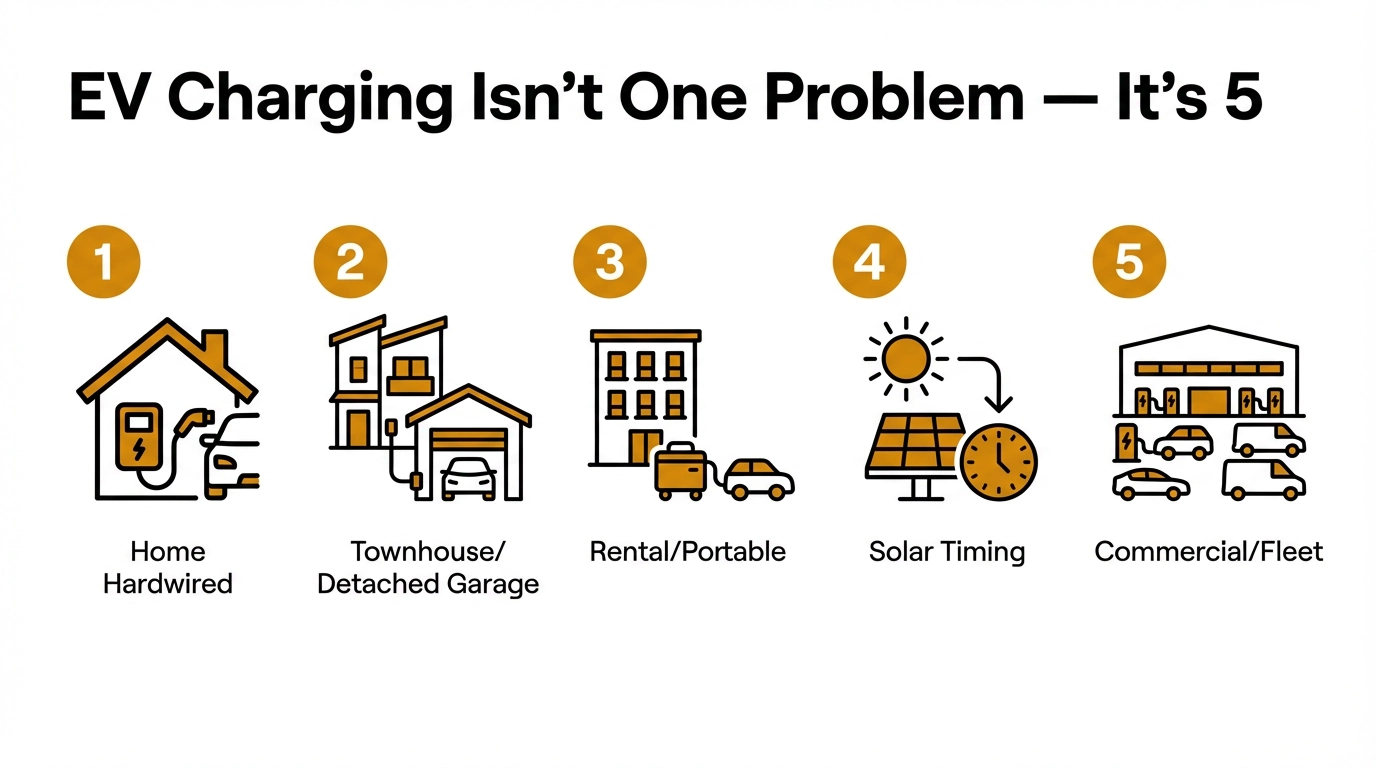
The 5 EV charging problems we solve

5 EV charging problems
Most EV owners fit one of these scenarios. Pick your path first — then pick hardware.

Quick rule of thumb

If your car parks at a powered wall: wall charger wins.
If your car parks away from power: consider a portable buffer or portable solar bridge.
If it’s commercial/fleet: peak demand and scheduling matters more than charger brand.

Design session = faster certainty: we map wiring constraints, charging rates, tariffs, and how EV charging fits with solar/battery plans.
The 3 paths

Choose the setup that matches your parking reality

EV charging is a sustained load (hours). The right path protects safety, reduces cost per km, and avoids expensive “oops” installs.

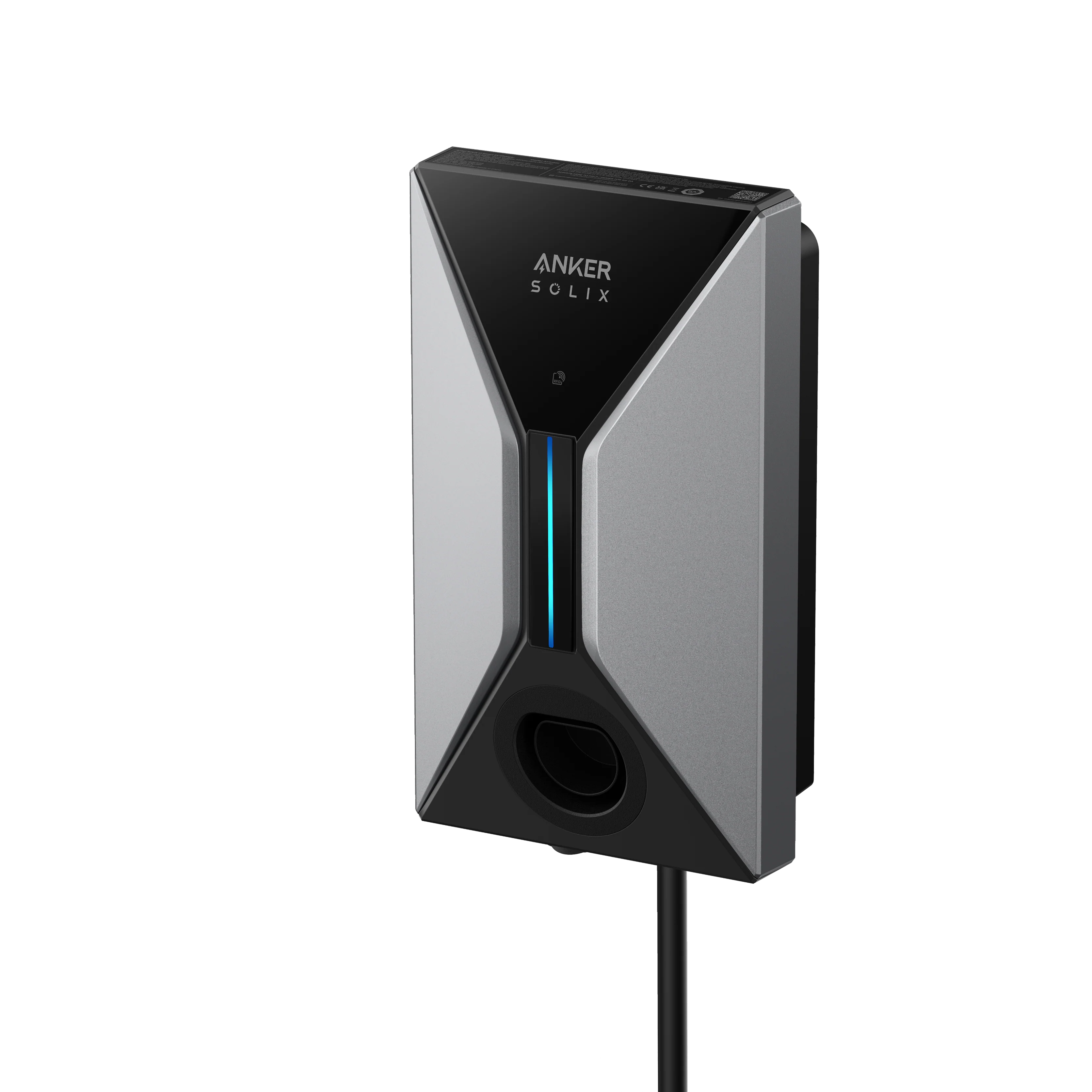
Anker SOLIX EV Charger

Path A: Wall charger (home / easy power)

Best when your car parks at a powered wall

A proper wall charger is clean, simple, and reliable. The real savings come from smart timing: charging when solar is abundant or when tariffs are cheaper.

If you’re planning solar + battery + EV together, book a design session so the charger becomes part of an integrated system — not an add-on.
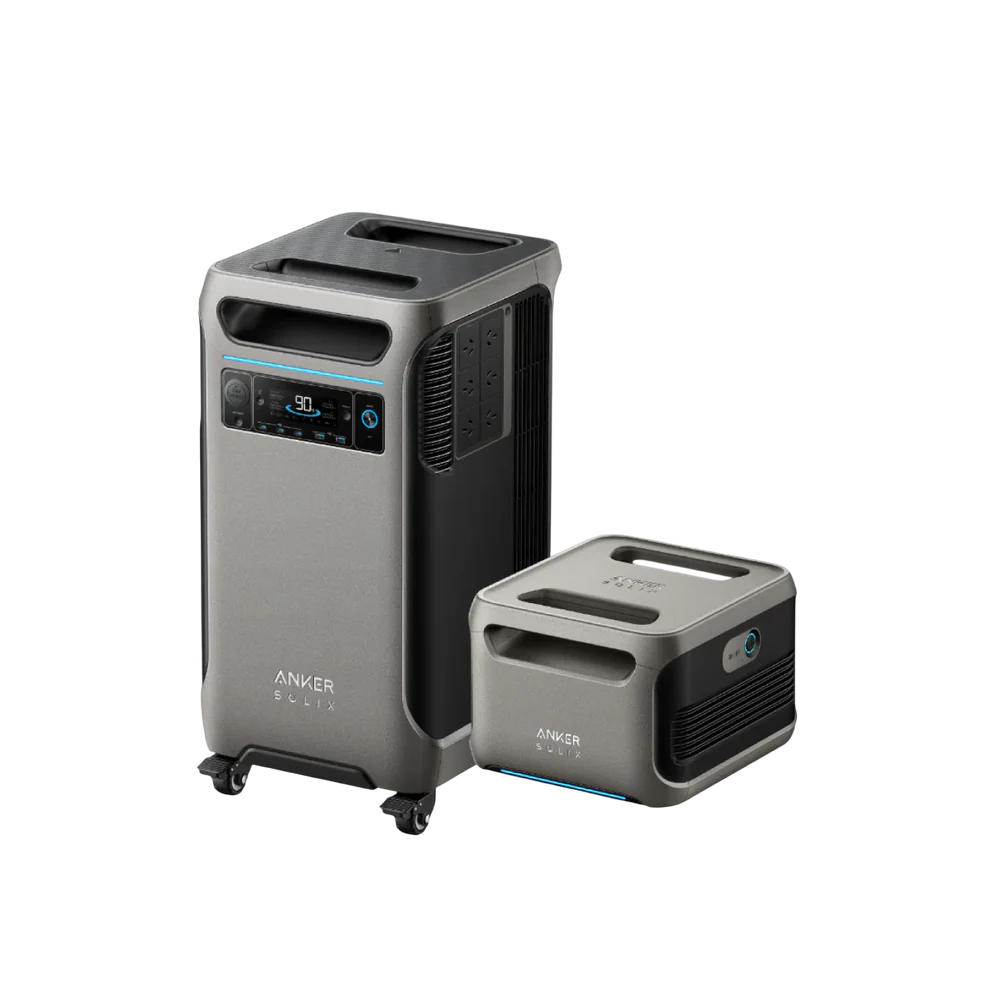
Anker SOLIX F3800 portable power

Path B: Detached garage workaround

Avoid trenching • deliver higher power where the car is

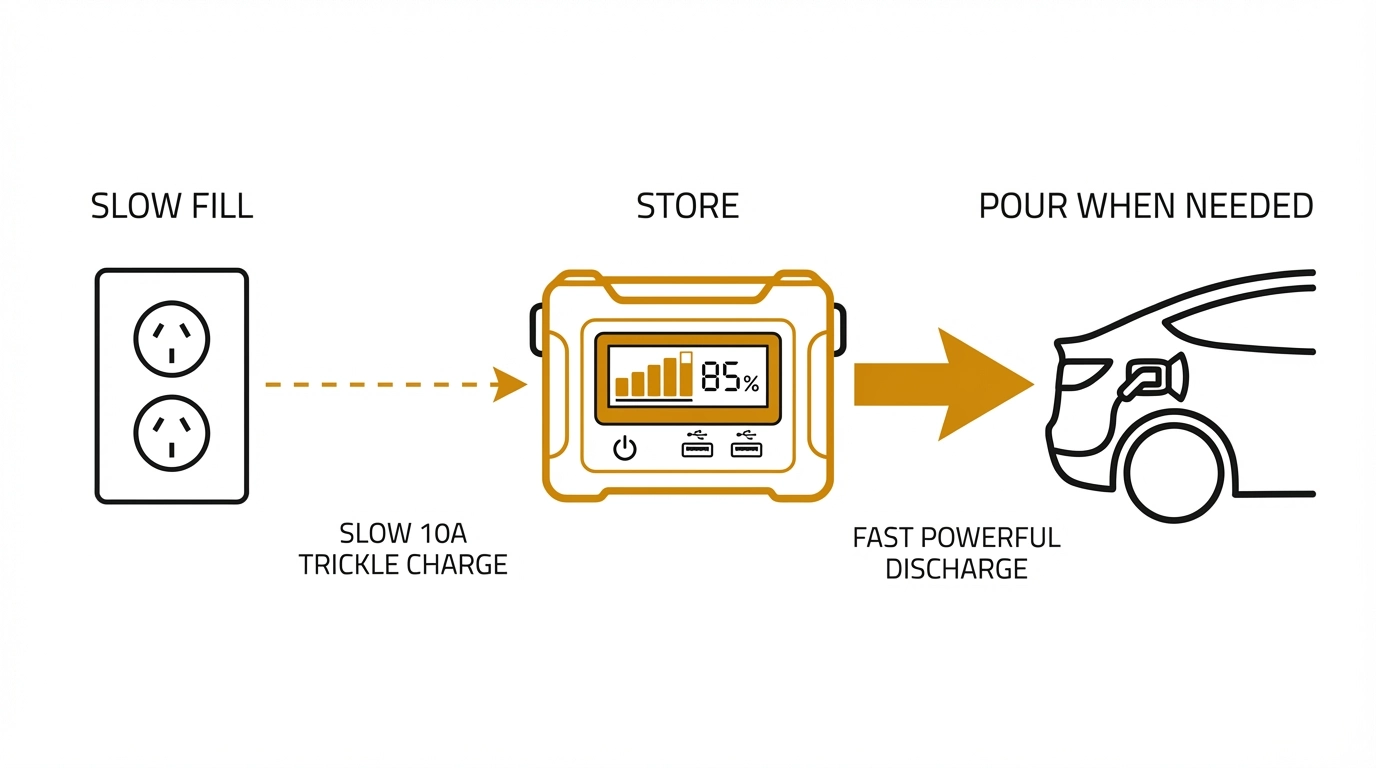
If your garage is detached (or power is limited), a portable “buffer” can be cheaper than concrete cutting, long cable runs, or strata fights — while still improving charging practicality.

Why the high-current EV outlet matters: EV charging is a sustained draw. EV-ready high-current outlets are designed for stable, continuous output — not short bursts like a kettle.

EcoFlow portable power

Path C: Apartments / no fixed power

Portable bridge • charge where you can, move to the car

If your car bay has no fixed power, portable storage can bridge the gap: charge the unit in a place you can access, then move it to the car location. Add portable solar where practical for extra “free” energy.

This path also pairs well with price-aware retailers — charge the unit in cheaper windows, then convert into kilometres later.

Path B visual

Detached garage: the “portable buffer” concept

Detached garage workaround diagram
Charge the portable unit where you have power access, then use it to supply EV charging where the car parks.

When this makes sense

  • Detached garage or carport with limited wiring
  • Rental properties where you can’t modify infrastructure
  • Townhouses where trenching is expensive or blocked
  • People who want a system they can relocate later
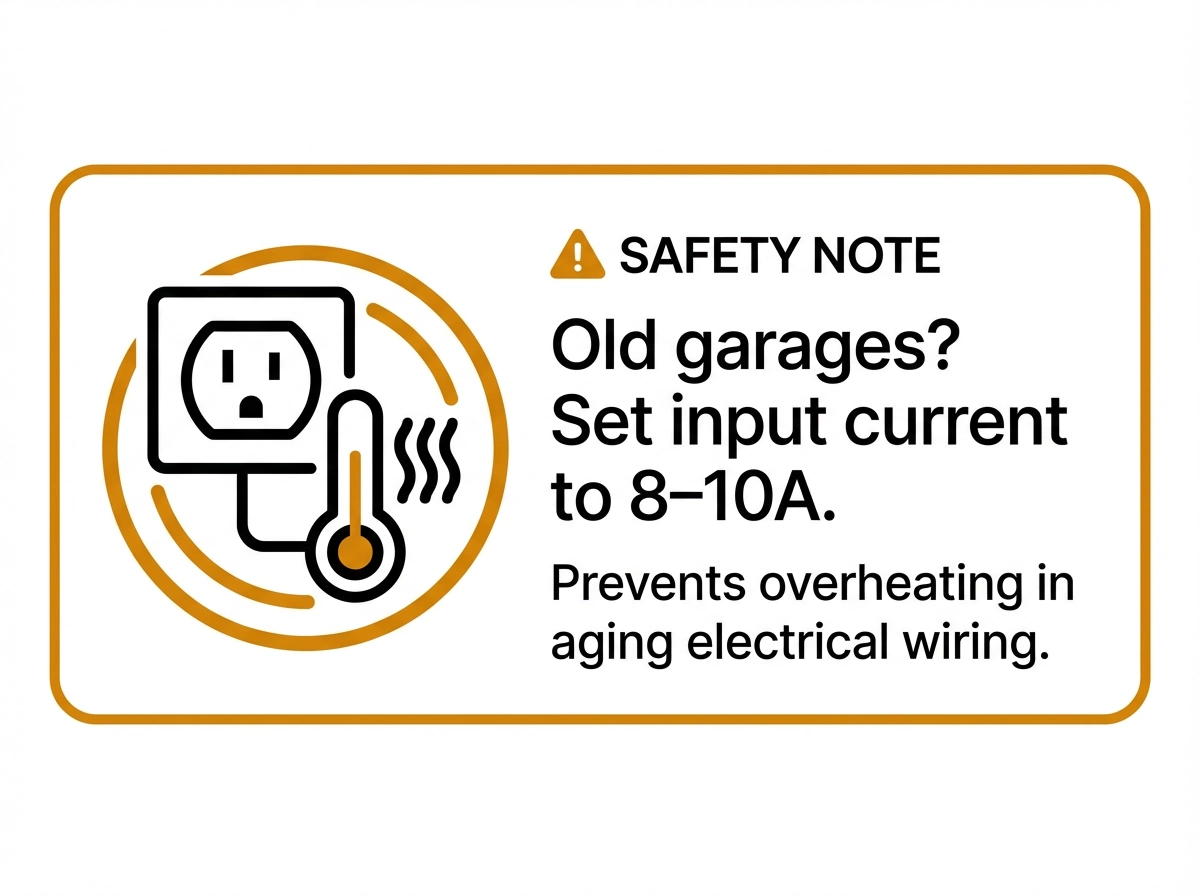
Tip: EV charging is a sustained load. If you’re charging any portable unit from an older outlet, keep input current conservative and follow manufacturer guidance.
Solar + EV reality

The solar export mismatch (and how to beat it)

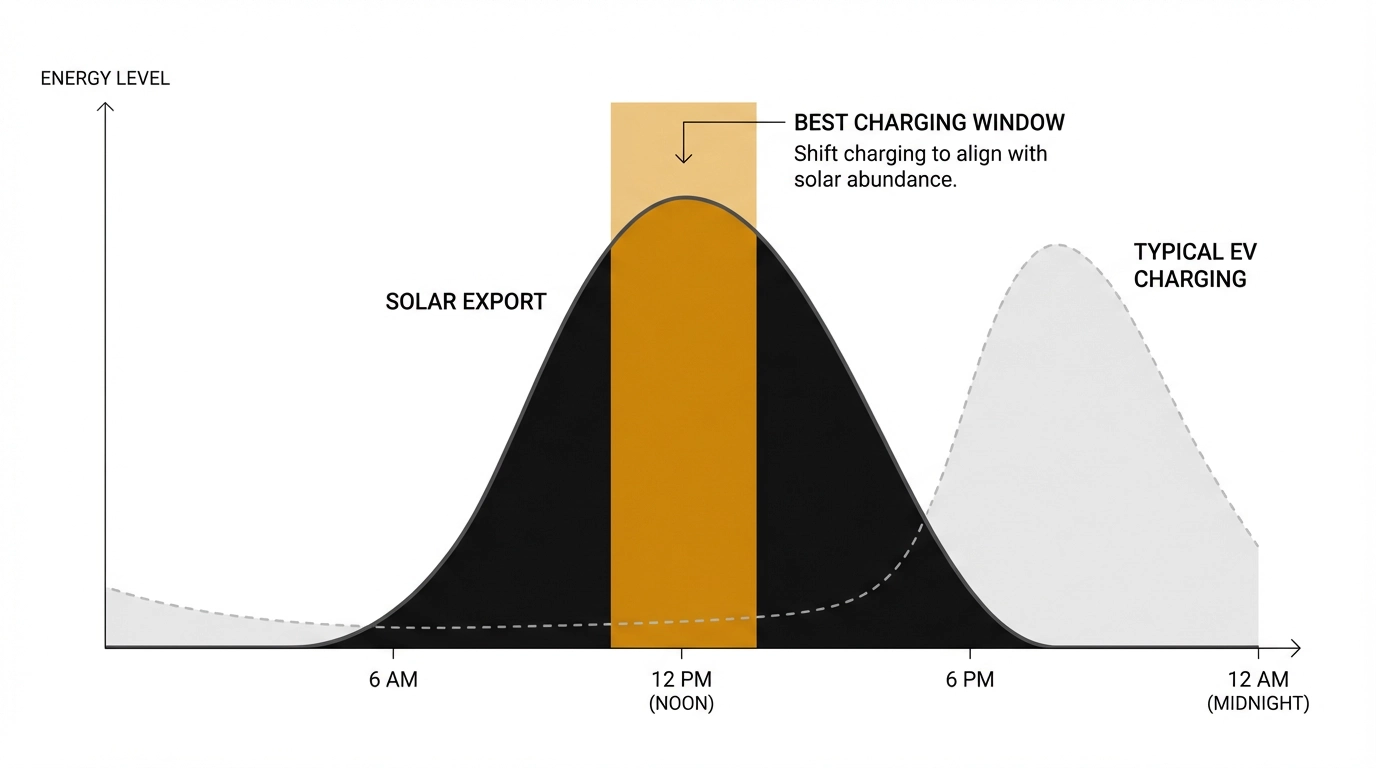
Solar peaks during the day. Most EVs get plugged in at night. The win is value capture: use solar when it exists, or store/shift value into your charging hours.

Solar export mismatch
Capture value when energy is abundant, then convert it into kilometres later.

3 ways people reduce EV charging cost

  • Smart timing: schedule charging in cheaper windows.
  • Portable capture: store daytime energy and use it at night (site-dependent).
  • Integrated design: solar + battery + EV + hot water as one plan (best outcomes).
Apartments / strata

No power at the car bay? Use a portable bridge.

If you can’t get approval or wiring to the bay yet, portable storage can be a practical interim solution: charge it where you can, move it to the car, and top up. Where practical, portable solar can add extra “free” energy.

EcoFlow portable power and solar
Portable storage + portable solar can turn daylight into kilometres when fixed infrastructure isn’t available.

What to watch

  • Portability and weight (you’ll move it).
  • Continuous output suitability for EV charging.
  • Safe charging limits when recharging from older outlets.
  • Realistic expectation: it’s a bridge solution, not a fast DC charger.
Commercial / fleet

Peak demand is the hidden EV charging bill

Commercial peak demand charging
The goal is staged charging + smart schedules, not just “bigger chargers”.

What we design for commercial

  • Staged charging to reduce demand spikes.
  • Charging windows aligned to tariffs and onsite generation.
  • Right-sized infrastructure (avoid overbuild).
  • Solar + storage integration where it genuinely stacks up.
Partner picks

Hardware options (buy direct from partners)

If you’re just looking to purchase hardware, start here. If you want EV charging integrated into a broader energy plan, book a design session.

Anker SOLIX EV Charger

Anker SOLIX EV Charger

Great “Path A” wall charger option for clean home installs.

Anker SOLIX F3800

Anker SOLIX F3800

Best fit for “Path B” detached garage buffering — strong output for sustained loads.

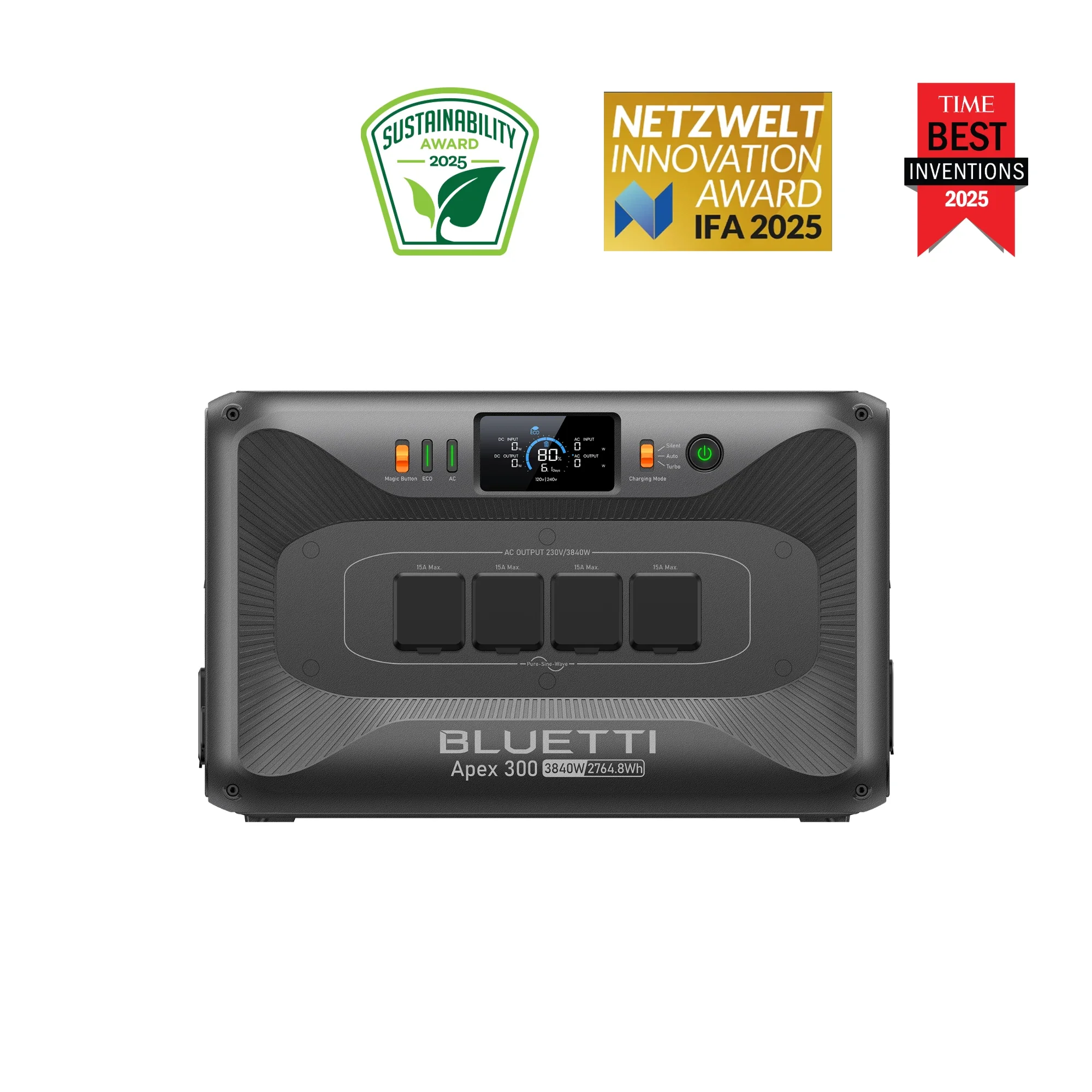
Bluetti Apex 300

Bluetti Apex 300

Strong portable power platform for flexible setups and backup use cases.

Want the “best for my site” answer? Book the design session and we’ll recommend a path based on your parking, power, tariffs, and future plans.
Safety

EV charging is a sustained load — treat it that way

Safety note for sustained loads
If anything is hot, smells odd, or feels loose: stop and get it checked.

Practical safety guidance

  • Use compliant equipment and follow manufacturer instructions.
  • If charging portable storage from older outlets, keep input current conservative.
  • Don’t use damaged power points or loose adapters.
  • For any uncertainty, talk to a licensed electrician.

Want EV charging designed into your energy system?

In 30 minutes we can map your best path: charging speed, wiring constraints, tariffs, solar/battery fit, and future electrification. Then you can buy with confidence — without expensive mistakes.