
Hot water that costs less — and works smarter with solar
Heat pumps are one of the highest-impact upgrades you can make — whether you’re a homeowner with solar, or a business where hot water runs all day and night. Jousto supplies and installs Rheem heat pump hot water systems, and can add Jousto EMS scheduling when you already have solar or a battery.
Questions? SMS/Call 0489 261 333 • [email protected]
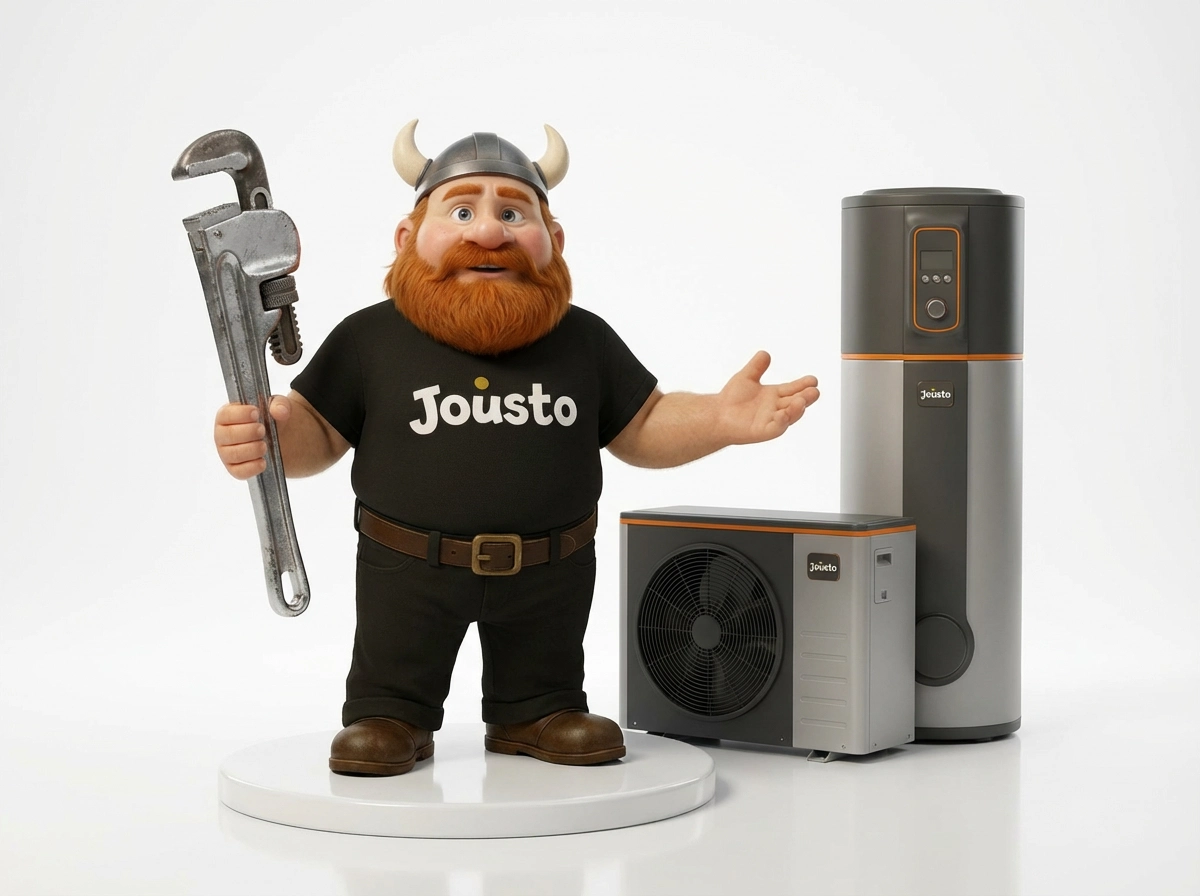
Heat pumps, solar timing & smart control (in plain English)
Why heat pumps reduce running costs, why element size matters, and how Jousto can optimise timing for homes and commercial sites.
Same hot water — much less electricity
A heat pump doesn’t “create” heat like a standard electric element. It moves heat from the air into your tank (like a reverse air-conditioner). That’s why it can deliver the same hot water with a fraction of the energy.
- Lower running cost compared to old electric storage.
- Excellent with solar: easier to heat during the day and use at night.
- Great electrification step if you’re reducing reliance on gas.
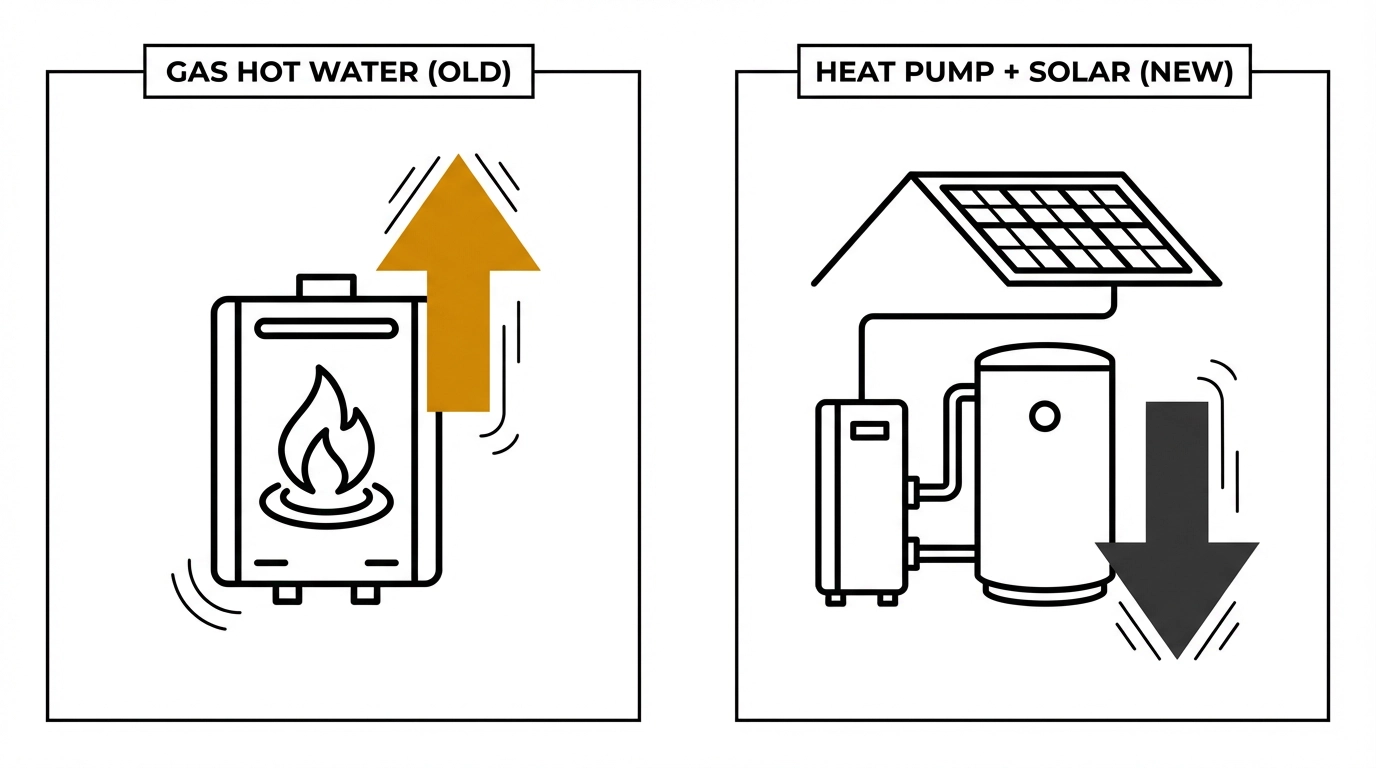
Heat pump vs “just schedule a standard electric tank”
Jousto EMS can schedule loads — but the hardware still matters. Many standard electric tanks use a 3.6kW element, which is a large, blunt load. If your solar export is only 1–2kW, the element can force grid imports even while the sun is shining.
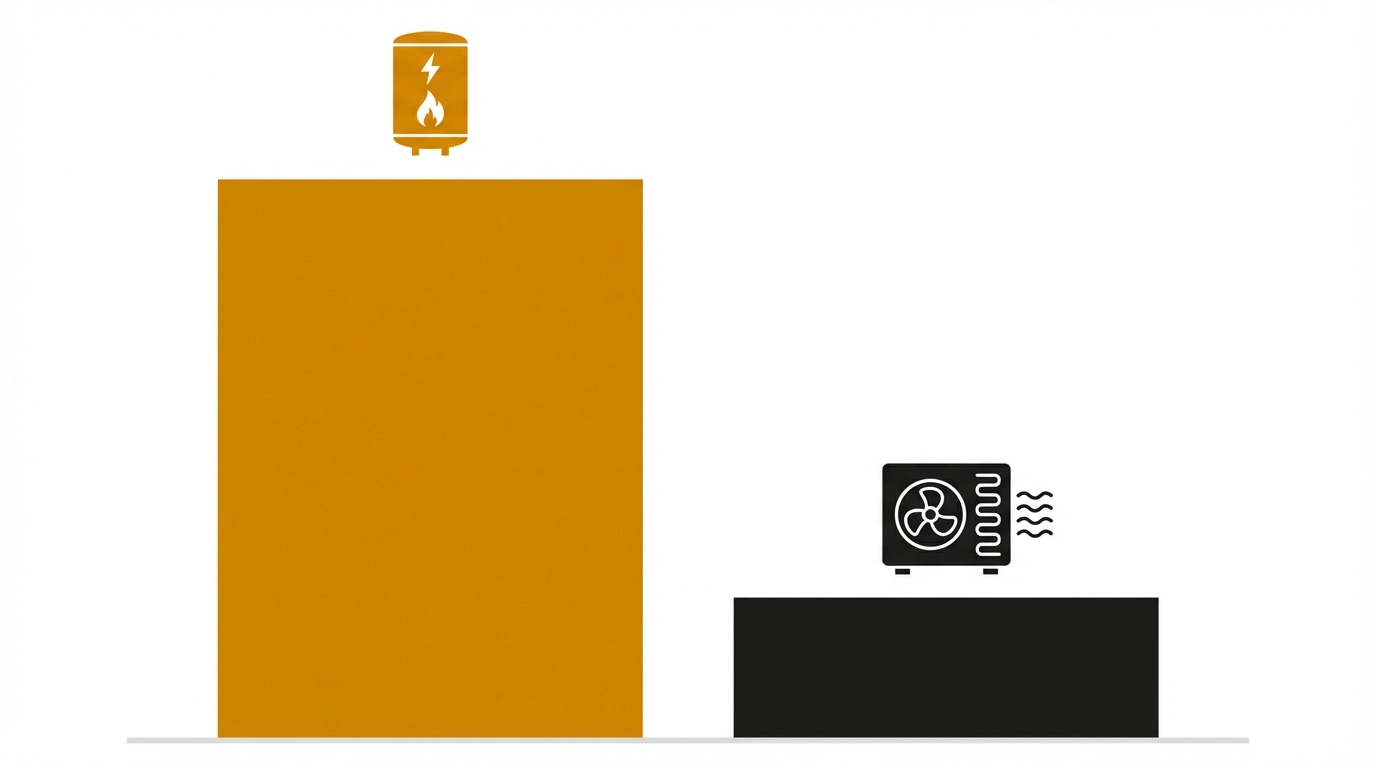
What this means in the real world
- Standard tank + big element: simple, but can import from grid even midday.
- Heat pump: steadier demand, better solar match, typically lower ongoing cost.
- Jousto EMS: adds smart timing rules once you have the right building blocks.
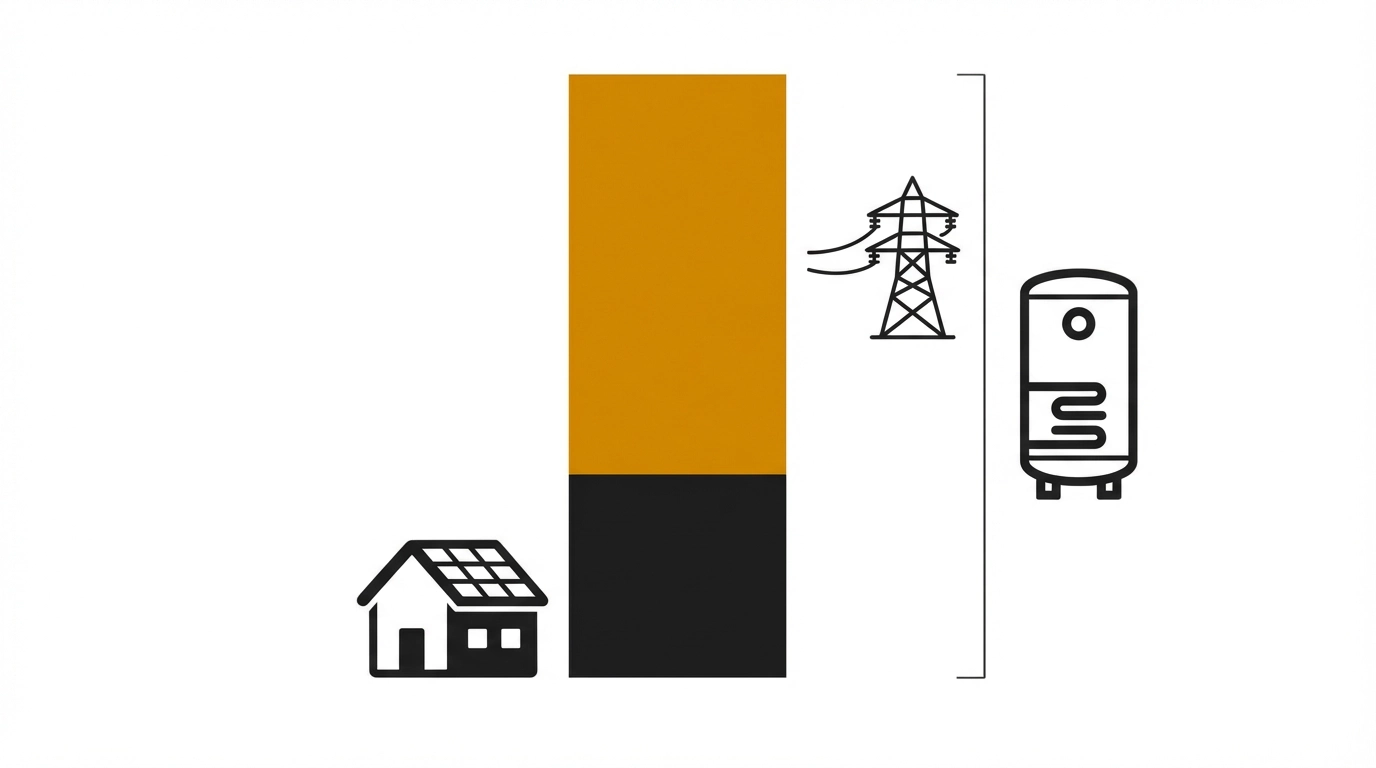
The solar export mismatch problem
Many solar homes export energy in smaller bands — especially in the morning, afternoon, or on cloudy days. A big element may not “fit” that export band.
Heat pumps are easier to align to solar because they draw less power over more time — which means more of your hot water can be made from your own solar.
Designed for large hot water users
In commercial environments, hot water is often a major operating cost — and a reliability requirement. Jousto works across community housing, hotels/motels/resorts, and high-use sites like butchers and dairies, where timing, recovery and system design matter.

Typical commercial outcomes
- Reduce electricity cost by shifting heating to better windows.
- Lower gas usage (or use gas only as backup/top-up).
- Better control of recovery times and operating consistency.
- Visibility and accountability over time (monitoring + reporting).
Heat pump pre-heat + gas booster (hybrid)
For some commercial sites, the best approach is hybrid: use a heat pump to do the bulk of the heating — then let gas only “top up” when demand spikes.
- Reliability stays high for peak demand periods.
- Gas use drops because it runs less often and for shorter periods.
- Solar synergy improves by pre-heating during daylight hours.

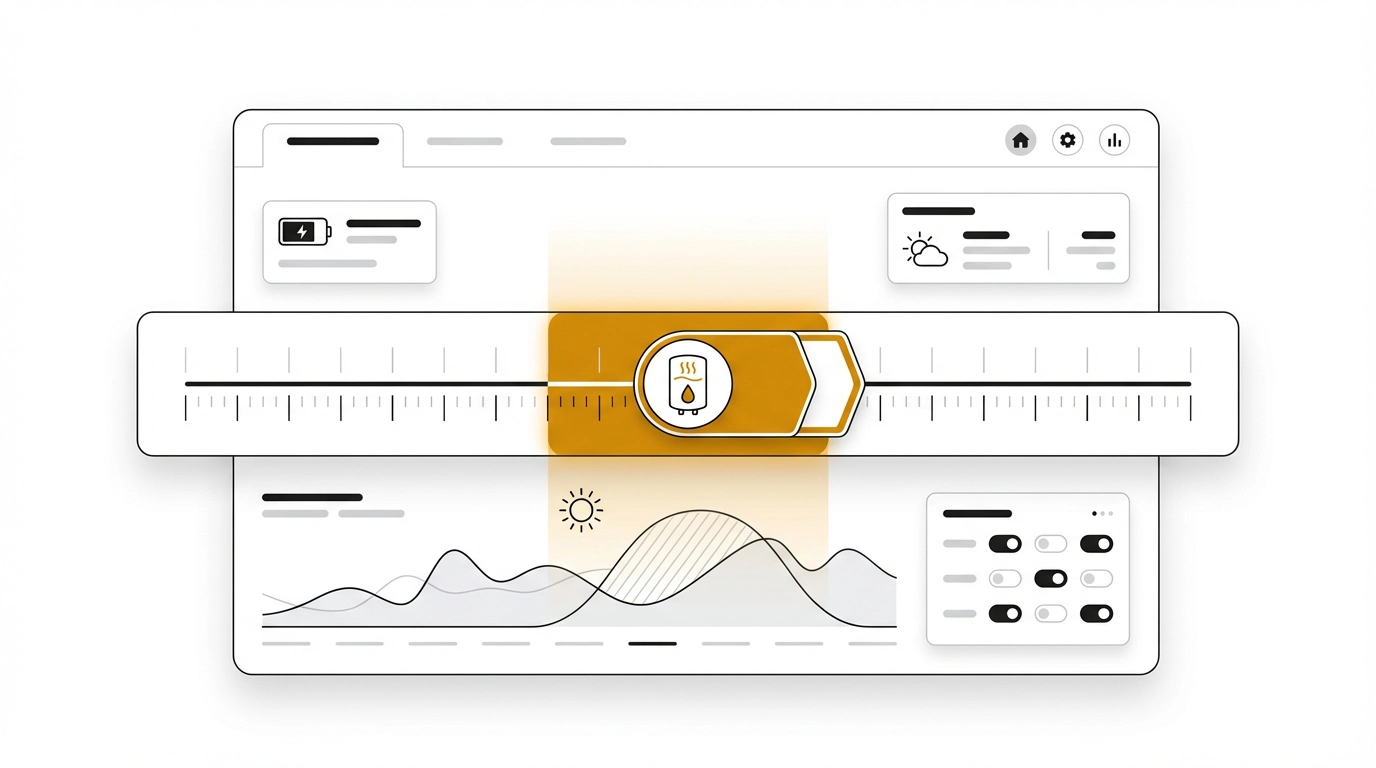
Smart timing when you already have solar or batteries
If you already have solar, a battery, or you’re a large hot water user, Jousto EMS can help align hot water heating to the best windows — based on your site and tariff structure.
Get your instant heat pump quote
Answer a quick survey to get a tailored estimate. If you proceed, we’ll verify site photos to finalise a formal quote. For commercial sites, we can scope larger hot water systems and hybrid setups.
Note: Final suitability depends on site conditions, plumbing access, electrical capacity, and compliance requirements. We confirm this during verification/scoping.
Want hot water costs under control?
Start with an instant quote. If you’re a large user or commercial site, we’ll help design the right pathway — heat pump only, EMS timing, or hybrid pre-heat + gas boost.
COMPANY
PRODUCTS
SERVICES
JOUSTO EMS
BATTERIES


© Copyright 2026.Honen Lead Generation.
All Rights Reserved.
Phone: 0489 261 333
185 Morphett St, Adelaide, SA, 5000