Solar where your roof can’t

Solar Carports & Solar Structures

If solar hasn’t worked for you before — wrong roof direction, terracotta tiles, council constraints, shading, or aesthetics — there’s another way. Build the solar array as a structure: carports, pergolas, canopies, shelters, sheds, and more.

✓ Car parks & shopping centres ✓ Homes without roof solar ✓ Council & public shelters ✓ Rural & farm structures ✓ Agrivoltaics / horticulture
📞
Prefer to talk? Call 0489 261 333.
We’ll help you choose the best structure concept for your site and goals.
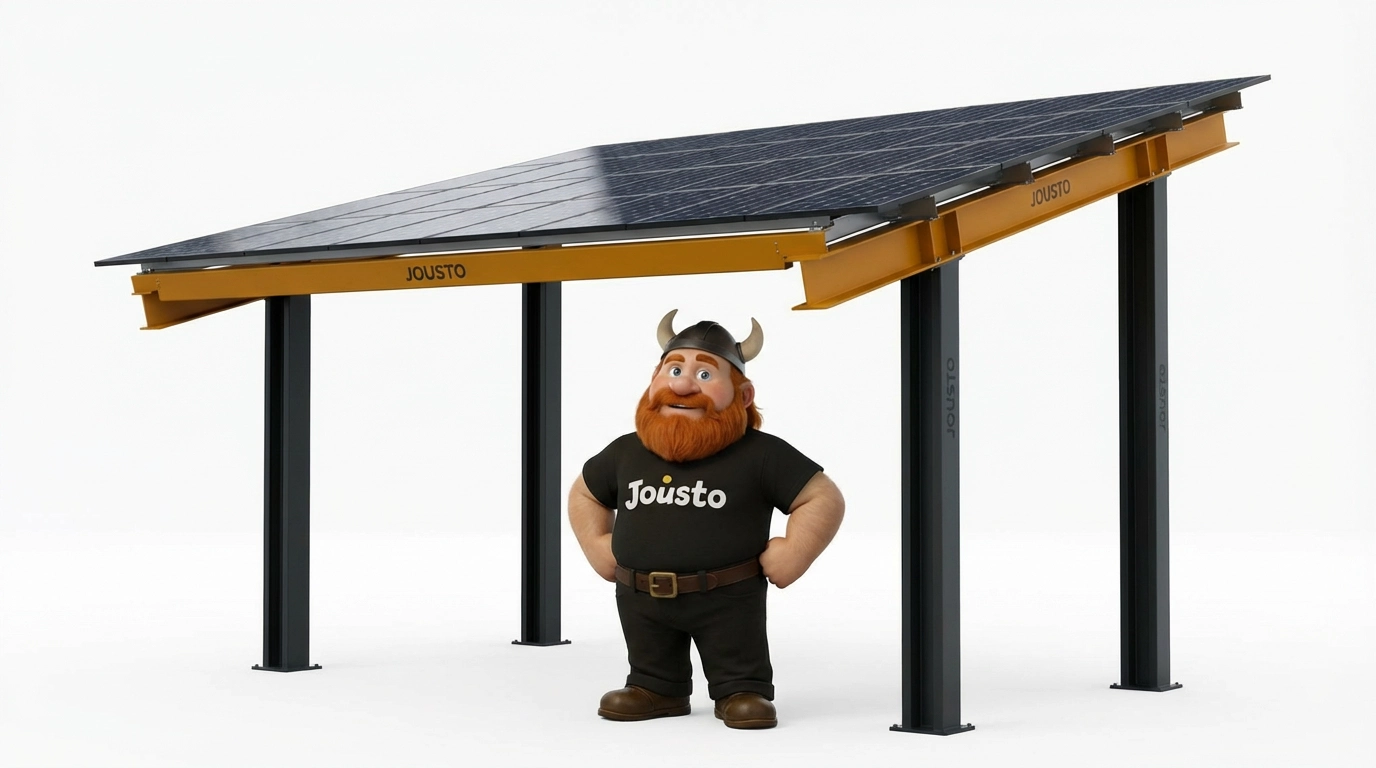
Aarno hero — solar structures
Included with Jousto installs Jousto EMS Monitor • Automate • Optimise
🏗️ Shade + power in one build
⚡ Works when roof solar can’t
🔌 EV charging-ready designs
🧠 Jousto EMS monitoring included
🔧 FREE 30-min design session
Start here

FREE 30-minute energy design session

We’ll map your site constraints and goals, then recommend the best solar structure concept — from carports and canopies to pergolas, shelters and agrivoltaics.

In 30 minutes we’ll cover: location & orientation, structure type, usage under the canopy, EV charging (if relevant), and how to get the most value from the energy generated.
📅 Open booking panel
Pick a time — we’ll do the rest

Prefer phone? Call 0489 261 333.

The idea

Solar where the roof can’t

If you’ve hit roof limitations, a solar structure can be the clean workaround — and often adds shade or shelter as a bonus.

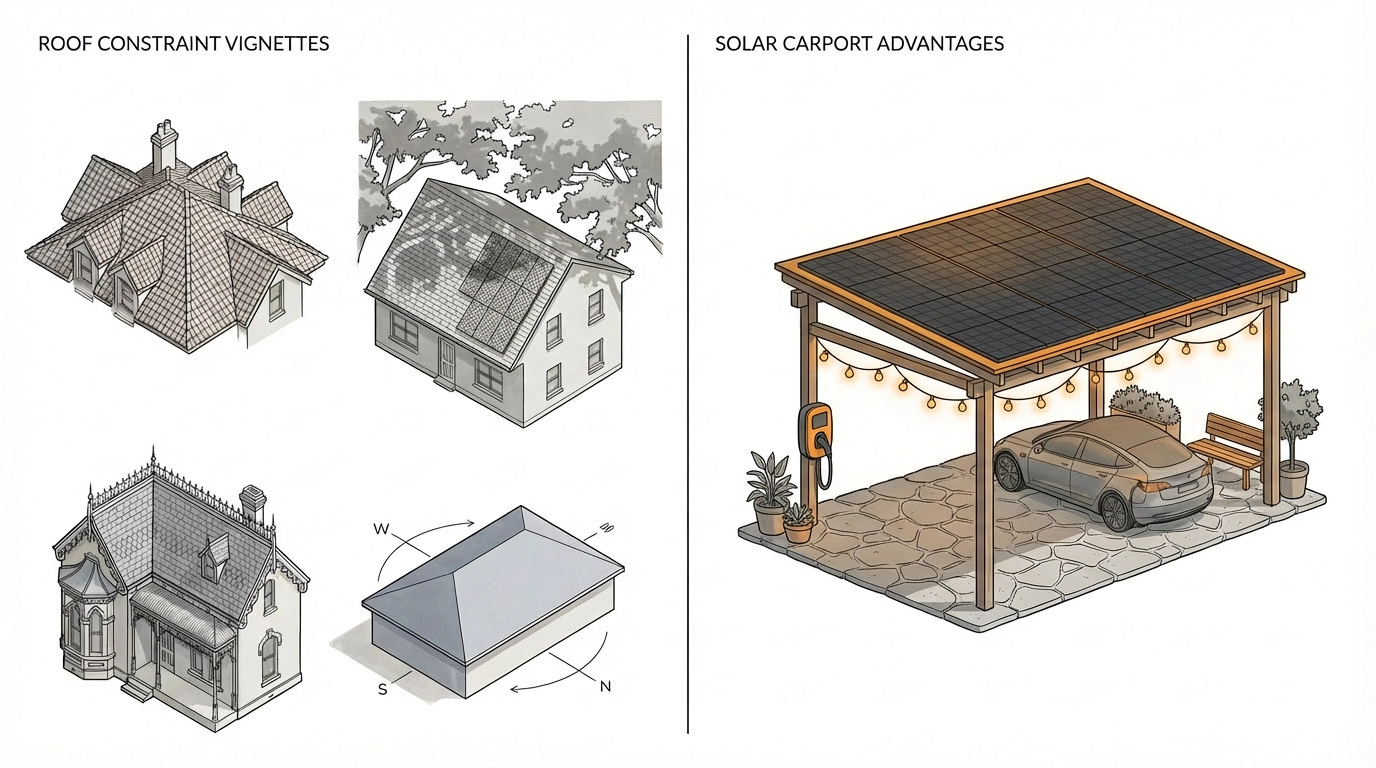
Solar where the roof can't illustration

Typical reasons roof solar fails

  • Terracotta tiles or heritage constraints
  • Roof faces the wrong direction (or is heavily shaded)
  • Council / aesthetic restrictions
  • You want solar and shade, shelter, or usable space
  • Car parks, public spaces, or open land are the better asset
🏗️
Simple shift: treat solar like infrastructure — not just something you bolt to a roof.

Options

Structure options (from carports to canopies)

Here are the most common ways solar structures are deployed — residential, commercial, council, rural and remote.

Roof and structure options

Common structure types

  • Solar carports for car parks, offices, shopping centres
  • Freestanding pergolas, verandas and pool houses (homes without roof solar)
  • Public shelters for parks, councils and public infrastructure
  • Rural structures for sheds, workshops, cabins and remote sites
  • Agrivoltaics for dual land use — solar above, crops/greenhouse below
🔌
EV-ready: many designs can integrate EV charging, lighting, or power points beneath the structure.

Use cases

Where solar structures work best

A few common scenarios — with examples.

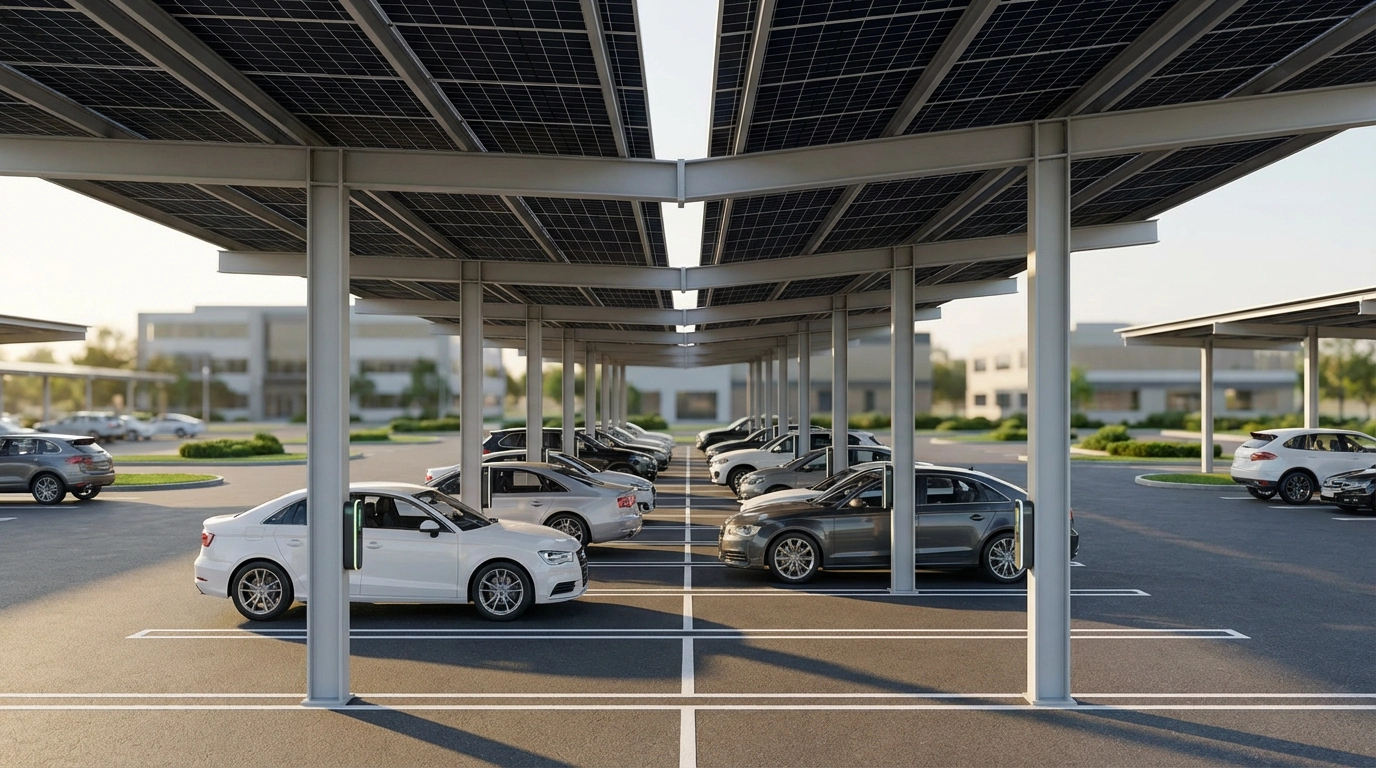
Commercial solar carport

Commercial car parks

Offices, shopping centres, warehouses — generate energy and improve the customer/staff experience with shade.

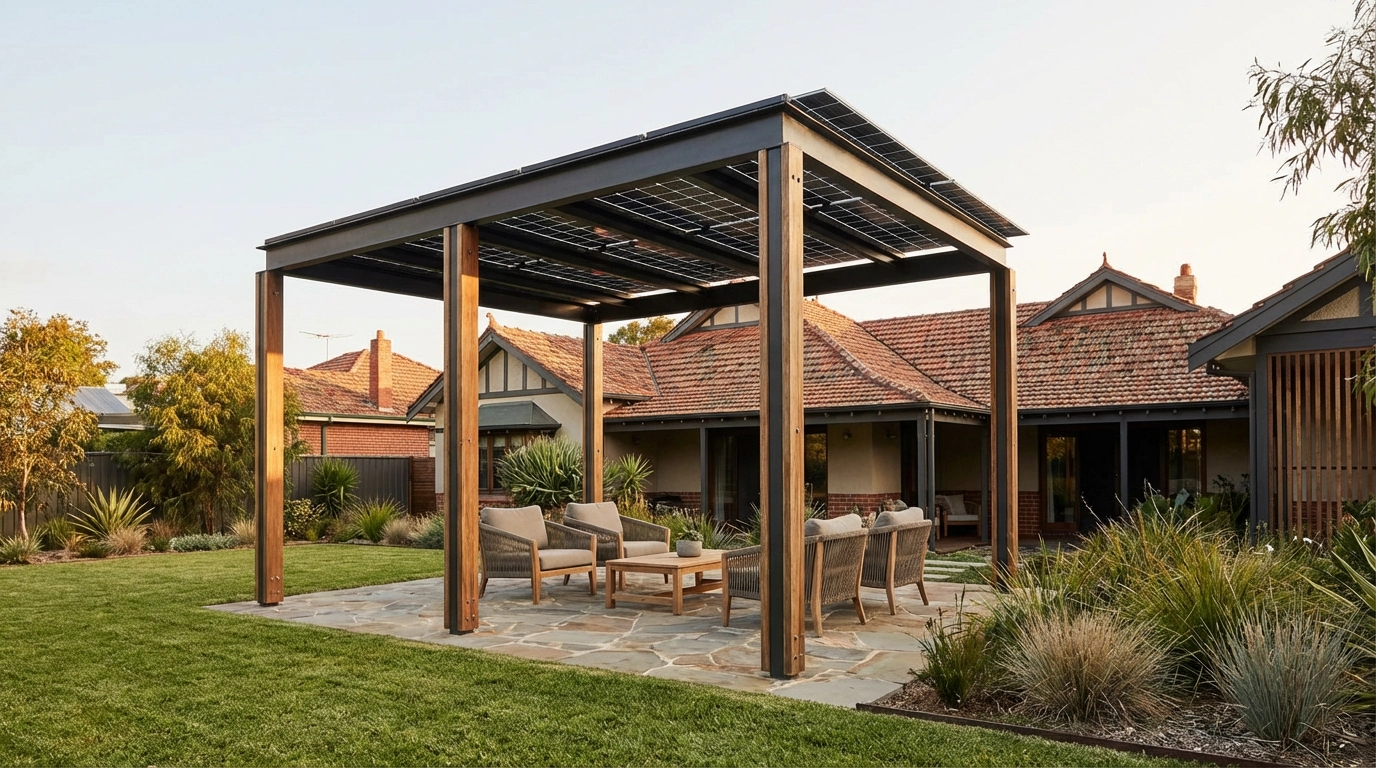
Residential freestanding solar structure

Homes without roof solar

Pergolas, pool houses, verandas — a clean way to add solar without touching the main roof.

Public and council solar structure

Public & council

Parks, public shelters, BBQ areas — shade + power for lighting, amenities and future upgrades.

Farm and rural solar structures

Farm & rural structures

Work areas, sheds, pumping support — turn open land into productive energy infrastructure.
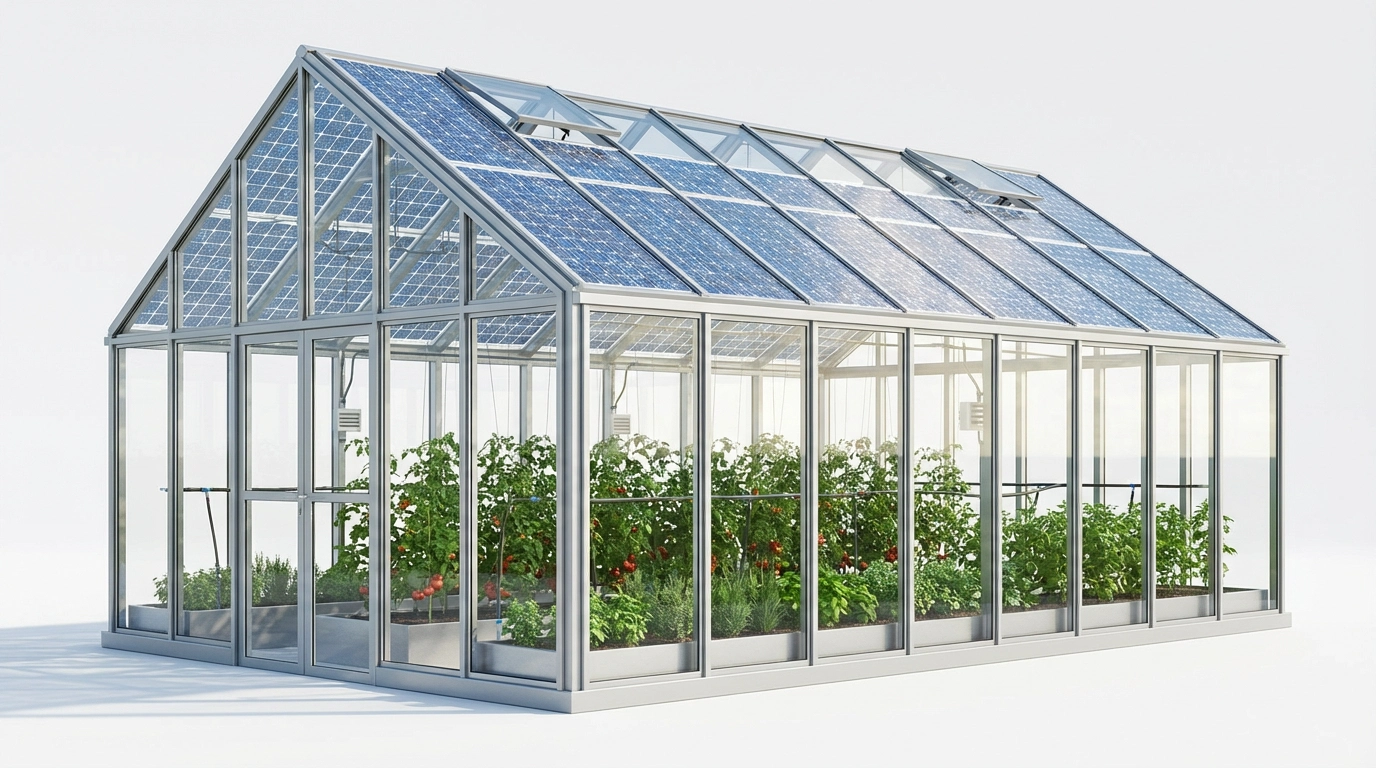
Agrivoltaics solar horticulture

Agrivoltaics / horticulture

Solar above, greenhouse or crops below — dual land use for energy and production.
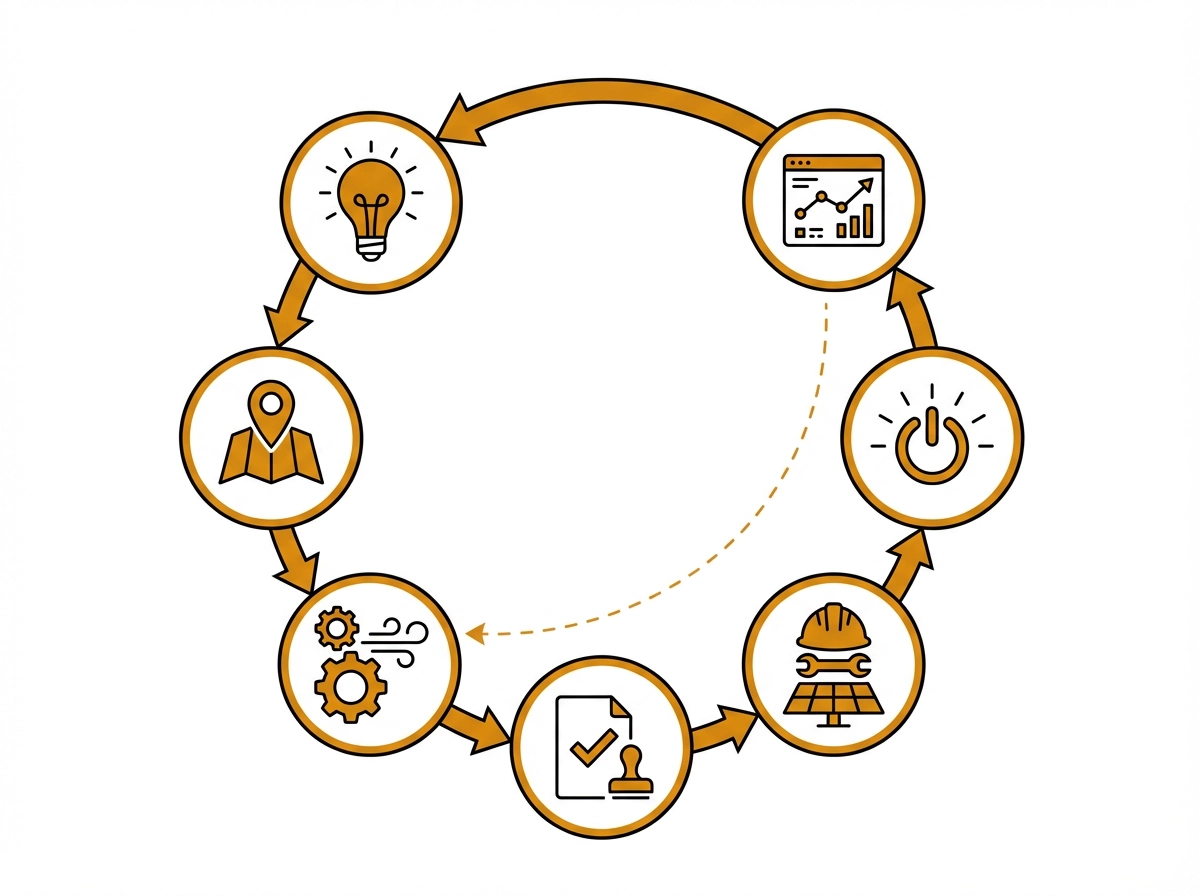
Energy planning and site strategy

Designed like infrastructure

Orientation, usage beneath the canopy, and future expansion — designed around your site and goals.

Best next step: book the free 30-minute design session so we can map the most practical structure type for your site.

Watch first

Solar carports & structures explained

A short overview of how solar structures work — and why they’re the answer when roofs aren’t.

What this unlocks

  • Solar for sites that can’t use the roof
  • Shade and usable space beneath the array
  • Car parks, councils, rural and remote structures
  • EV charging readiness (where required)
  • A path to future upgrades (battery, monitoring, more loads)
🧠
Included: Jousto EMS monitoring is included with Jousto installs to help keep performance visible over time.

How it connects

Energy flow (structure → loads → EV → battery)

Solar structures can be designed around your usage — whether it’s basic site loads, EV charging, or future storage.

Energy flow diagram

What we typically design for

  • Maximum generation from available orientation and footprint
  • Practical wiring and protection (built like infrastructure)
  • Optional EV charging integration
  • Optional storage now or later
  • Visibility and optimisation via Jousto EMS
Simple goal: turn unused airspace into a productive asset.

Next steps

Planning pathway

A straightforward path from concept to a working solar structure — with the right checks along the way.

Planning pathway diagram

We’ll help you clarify

  • Best structure type for your site and intended use
  • Any practical constraints (space, access, shading)
  • Future-proofing (EV charging, storage, monitoring)
  • Concept-to-build steps and sensible timelines
🔧
Best starting point: book the free 30-minute design session so we can explore options quickly and properly.

FAQs

Common questions

Is this only for big commercial car parks?
No. Solar structures can be residential (pergolas, pool houses, verandas), public (parks/shelters), rural (sheds/cabins), and commercial (car parks, offices, shopping centres).
Can you include EV charging under the structure?
Yes — where relevant, structures can be designed to accommodate EV charging, lighting, or power points beneath the canopy.
What if I want a battery later?
We can design the system to be storage-ready so adding a battery later is straightforward.
Do you help with monitoring and optimisation?
Yes. Jousto installs include Jousto EMS to help monitor performance and support smarter energy use over time.
What’s the best first step?
Book the free 30-minute energy design session. We’ll map your site constraints and goals, then recommend the best structure concept.