Popular
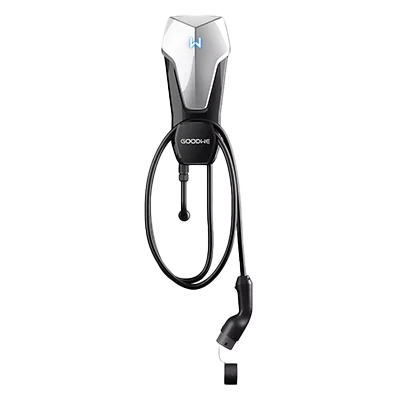
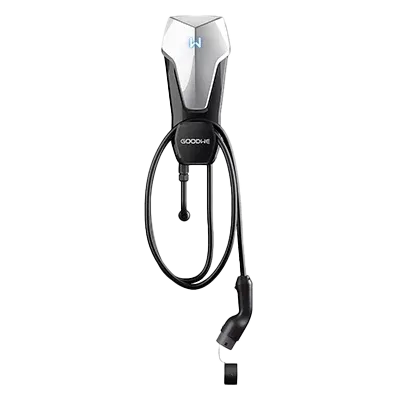
GoodWe EV Charger 7kW
From $1,189
Single-phase AC charger (IP66), perfect for most Aussie homes. Pair with Energy Hub for solar-aware charging.

Choose a charger, add the Jousto Energy Hub to charge from sunshine and cheap off-peak power, then book installation. Simple, smart, and ready for every EV.
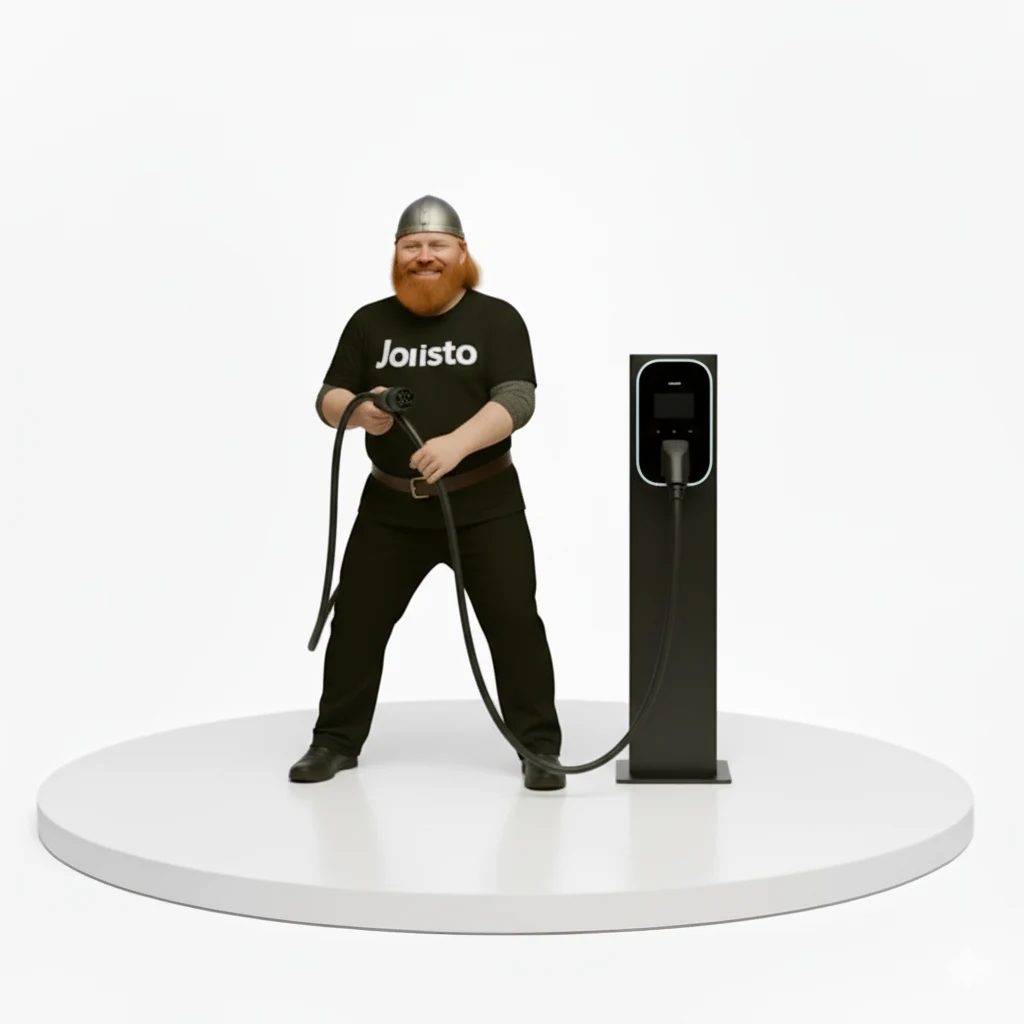
Quality hardware, great value — and smarter with the Jousto Energy Hub.
Single-phase AC charger (IP66), perfect for most Aussie homes. Pair with Energy Hub for solar-aware charging.
Faster AC charging for three-phase homes and EVs that support higher rates. Solar-smart with Energy Hub.
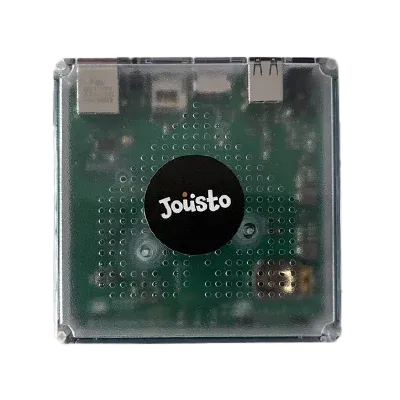
Make charging solar-aware on day one. Includes Genius Agent to guide your self-setup & automations.
Learn more about the Jousto Home Assistant Genius.
Choose your charger
Pick 7kW or 22kW GoodWe model.
Add the Energy Hub
$249 with Genius Agent for self-setup.
Checkout online
We’ll confirm details and schedule install.
Charge on sunshine
Smart modes for solar and off-peak.

How Automation and Tariff Timing Can Supercharge Your Battery Savings
Your solar battery is powerful. But pair it with smart automation—and it becomes unstoppable.
Here’s why: Australia's energy market is evolving fast. Some electricity providers now offer dirt-cheap daytime tariffs (even down to 1–2¢/kWh) to soak up excess grid power.
This is known as the “solar sponge” period—and if you know how to use it, you can charge your battery cheaply from the grid, then use that energy later instead of buying peak power.
This isn’t just “saving with solar”—it’s beating the market with smart energy tech.
During the middle of the day, especially in states like SA and VIC, there's often too much solar energy flooding the grid.
To balance the system, energy retailers are offering super low daytime tariffs to encourage usage:
10am–3pm: Grid power as low as 2–5¢/kWh
Evening (peak): Grid power up to 40¢/kWh
If your battery can charge during the sponge, and discharge during the peak, you can save big—even if there’s no sun.
Schedule Loads for Daytime
Run dishwashers, hot water, EV charging between 10am–3pm
Use smart plugs, timers, or automation
Enable Grid-Charging If Available
Not all systems allow this—but if yours does, set your battery to “soak” grid power during sponge hours
Reserve Battery for Peak Rates
Some batteries (like Tesla Powerwall) let you reserve discharge for evening peak hours
Use Smart Controllers
Tools like the Jousto Energy Hub automate all this, responding to live tariff data + solar forecasts
If your battery stores 10kWh and you charge it at 5¢/kWh, you spend:
💸 $0.50 total
If you don’t use sponge tariffs and instead draw from the grid at 40¢/kWh:
💸 $4.00 total
👉 That’s a saving of $3.50/day or $1,200+ per year—just by charging smarter.
Manual control is great. But automating it is better.
That’s why systems like the Jousto Energy Hub are built to:
Detect sponge windows automatically
Charge from solar or grid based on value
Discharge to avoid peak prices
Learn your habits & optimise over time
The result? You always use the cheapest available energy—without needing to micromanage anything.
💬 Want us to set up your system for smart sponge strategies?
👉 Get a quote + automation included →
🛒 Already have a battery? Just want smarter control?
👉 See compatible gear in our store →


© Copyright 2025.Honen Lead Generation.
All Rights Reserved.
Phone: 0489 261 333
185 Morphett St, Adelaide, SA, 5000