Popular
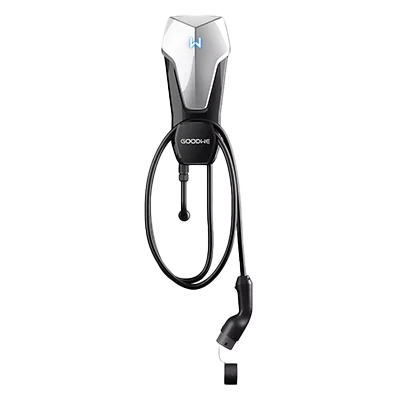
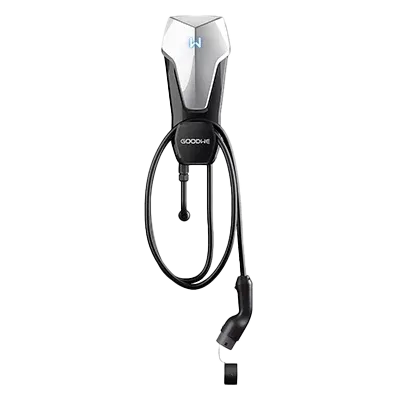
GoodWe EV Charger 7kW
From $1,189
Single-phase AC charger (IP66), perfect for most Aussie homes. Pair with Energy Hub for solar-aware charging.
Choose a charger, add the Jousto Energy Hub to charge from sunshine and cheap off-peak power, then book installation. Simple, smart, and ready for every EV.
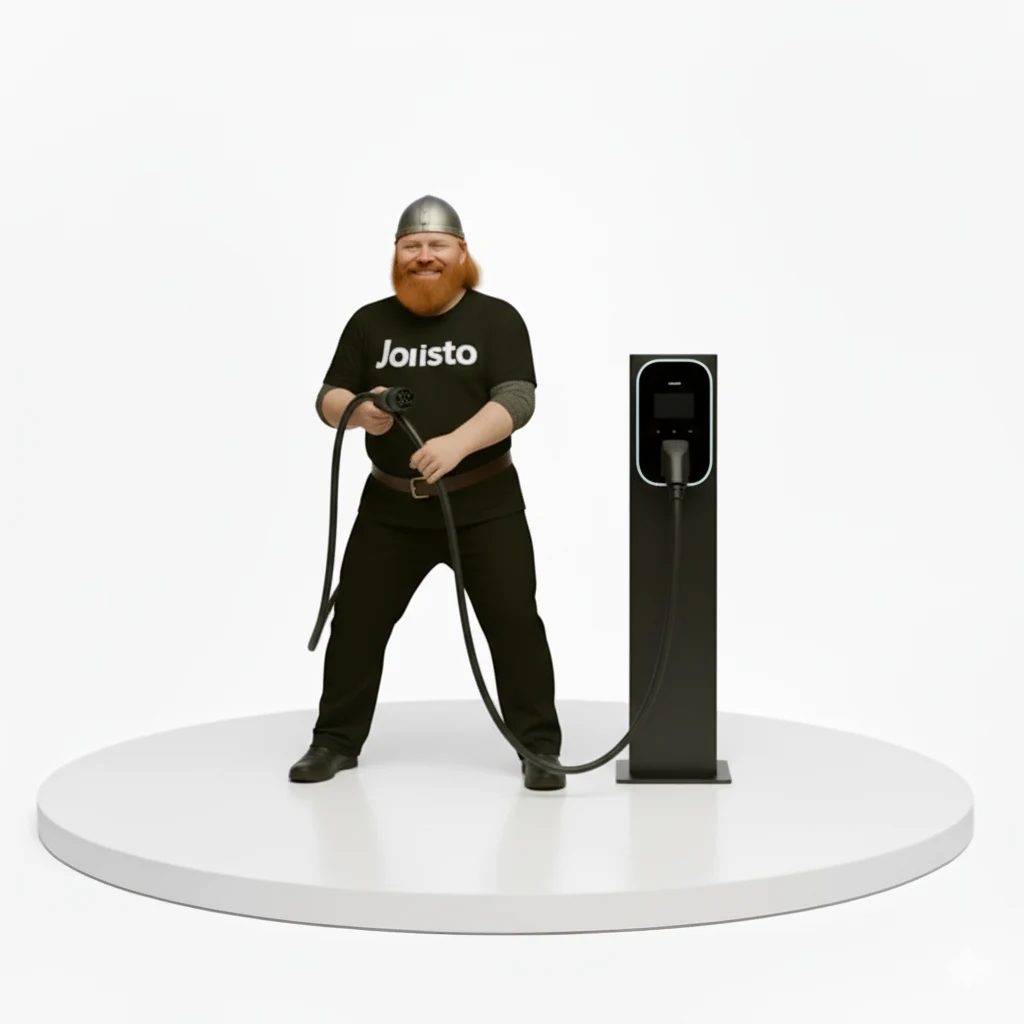
Quality hardware, great value — and smarter with the Jousto Energy Hub.
Single-phase AC charger (IP66), perfect for most Aussie homes. Pair with Energy Hub for solar-aware charging.
Faster AC charging for three-phase homes and EVs that support higher rates. Solar-smart with Energy Hub.
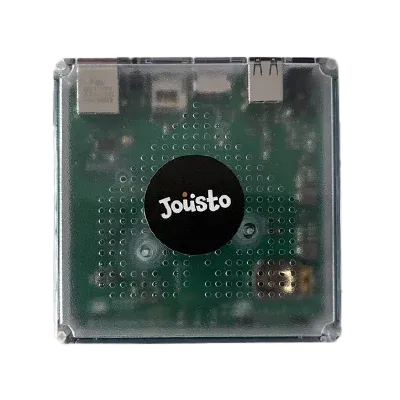
Make charging solar-aware on day one. Includes Genius Agent to guide your self-setup & automations.
Learn more about the Jousto Home Assistant Genius.
Choose your charger
Pick 7kW or 22kW GoodWe model.
Add the Energy Hub
$249 with Genius Agent for self-setup.
Checkout online
We’ll confirm details and schedule install.
Charge on sunshine
Smart modes for solar and off-peak.
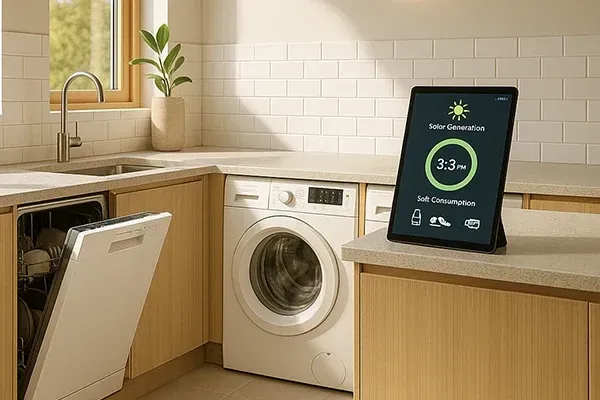
Smart Strategies to Use More of Your Own Power and Lower Your Bills
Solar panels are great—but if you're sending most of your energy back to the grid for a few cents per kWh, you’re not getting the full benefit.
That’s where self-consumption comes in.
Simply put: The more of your solar energy you use yourself, the less you pay for electricity.
Adding a battery helps store your solar for night-time use. But even with a battery, how you use your appliances and manage your system can make a huge difference.
Let’s break it down.
Self-consumption means using your solar power directly within your home or business—rather than exporting it.
Currently in Australia, feed-in tariffs are as low as $0.00–$0.06/kWh, while grid electricity can cost $0.30–$0.45/kWh. That’s a massive gap. When you store your solar and use it during peak times, you keep the value instead of giving it away.
Shift energy-hungry tasks—like laundry, dishwashing, or pool pumps—to daytime when your solar is generating.
Many systems can be configured to prioritise battery charging during peak solar hours. That stored power then covers your night usage.
Smart batteries let you set aside a portion of charge for use after sunset, when grid power is most expensive (around 6–10pm).
Use timers, smart plugs, or systems like the Jousto Energy Hub to turn on devices when solar generation peaks.
Less is more. Energy-efficient appliances + smart timing = more of your solar goes further. Every kWh you don’t waste saves you 30–45¢.
If you’re using the Jousto Energy Hub, you can automate all of this. It learns your usage, checks solar forecasts, and schedules your devices and battery automatically.
It’s like having a solar-savvy energy manager in your pocket.
In South Australia, where grid power can cost up to $0.50/kWh during summer peaks, even a small 5–10kWh battery can save you $700–$1,200/year—just by using your own energy smarter.
If you already have solar but no battery, or if your current system isn’t configured for smart use, you’re leaving money on the table.
💬 Want the fully installed battery experience? Let us do it for you →
🛒 Want to buy a battery and DIY install? Explore our store →


© Copyright 2025.Honen Lead Generation.
All Rights Reserved.
Phone: 0489 261 333
185 Morphett St, Adelaide, SA, 5000